
Shipping Hazardous Materials Safely: A Guide to FedEx and UPS Regulations for Ecommerce Businesses
As an ecommerce business owner, you may be selling products that are classified as hazardous materials (HAZMAT) by the US Department of Transportation (US DOT). These products pose a risk during shipping and handling and must be shipped according to regulations to avoid fines and legal action. In this article, the HAZMAT regulations for FedEx, and UPS are discussed, as well as tips on safely shipping HAZMAT products and the importance of warning labels. Label Resizer offers a free online tool to create effective warning labels.

As an ecommerce business owner, you may be selling products that you may not consider hazardous, but they are still classified as hazardous materials (HAZMAT) by the US Department of Transportation (US DOT). These products, ranging from nail polish and hair spray to e-cigarettes and batteries, pose a risk to people, property, and the environment during shipping and handling. That’s why it’s important to know the regulations and requirements for shipping HAZMAT products to avoid any fines and legal action.
In this article, we’ll cover the HAZMAT regulations for the top three shipping carriers in the US, FedEx, UPS, and USPS, and give you tips on how to safely ship HAZMAT products. We’ll also discuss the importance of warning labels for shipping box contents.
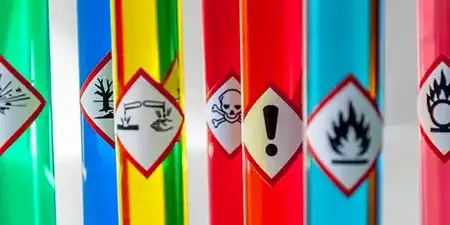
Before we dive into the regulations of the different shipping carriers, let’s first understand the different classes of hazardous materials. Hazardous materials are solids, liquids, or gases that can harm people, property, or the environment if not shipped, stored, or handled correctly. HAZMAT products are divided into nine classes, from the most extreme materials like explosives, toxic materials, and radioactive materials to more everyday items like hair spray and nail polish. Understanding the HAZMAT class of your products will help you determine the regulations and requirements for shipping them.
FedEx Regulations for HAZMAT Shipping
FedEx is a courier that offers both hazardous materials shipping and dangerous goods shipping. The company has different requirements for the shipment of each type of good. FedEx Ground is the company’s ground shipping service for hazardous materials, and FedEx Express is the company’s air shipping service for dangerous goods. However, both services are only available to customers who have received prior approval from FedEx.
FedEx requires that all HAZMAT shipments comply with the regulations set by the US DOT. The regulations include proper packaging and labeling of hazardous materials as well as the proper documentation. FedEx also requires that all HAZMAT shipments be shipped using FedEx Express and FedEx Ground services, and not FedEx Home Delivery.
The hazardous materials shipped with FedEx must be packaged and prepared in accordance with Title 49 Code of Federal Regulations (49 CFR). FedEx will not accept packages prepared according to International Air Transport Association (IATA) or International Civil Aviation Organization (ICAO) regulations.
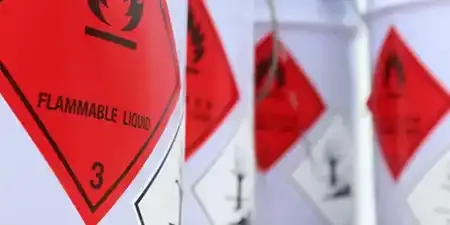
Dangerous goods can be dropped off at select staffed FedEx locations or scheduled for pickup by the courier. The company will dispatch an employee to pick up the hazardous materials if the shipper schedules a pickup. Certain goods, such as hazardous waste, damaged or defective batteries, fireworks, and “hazardous substances in reportable quantities,” are prohibited from shipment with FedEx, regardless of packaging or quantity.
UPS Regulations for HAZMAT Shipping
UPS also offers hazardous materials and dangerous goods shipping. The company’s requirements for the shipment of each type of good are similar to FedEx. Hazardous materials must be packaged and prepared in accordance with Title 49 Code of Federal Regulations (49 CFR), and dangerous goods can be dropped off at select staffed UPS locations or scheduled for pickup by the courier. UPS also prohibits the shipment of certain hazardous goods, such as hazardous waste, damaged or defective batteries, and fireworks.
UPS requires that all HAZMAT shipments comply with the regulations set by the US DOT. The regulations include proper packaging and labeling of hazardous materials as well as the proper documentation. UPS also requires that all HAZMAT shipments be shipped using UPS Ground, UPS Worldwide Express Freight, or UPS Express Saver.
Importance of Warning Labels for Shipping Box Contents
When shipping hazardous goods, it’s crucial to have warning labels on the shipping box that clearly communicate the contents of the package. These warning labels are designed to protect the safety of the carriers and to ensure that the goods are handled properly. Examples of warning labels include:
- FLAMMABLE LIQUID
- TOXIC
- RADIOACTIVE
- OXIDIZER
- POISON
The warning labels serve a critical role in protecting individuals and organizations from potential harm. From providing cautionary advice to informing individuals of potential risks, warning labels are an essential tool in promoting safety. The importance of clear and concise labeling cannot be overstated, as it directly impacts the safety of individuals who use the product or engage in the activity.
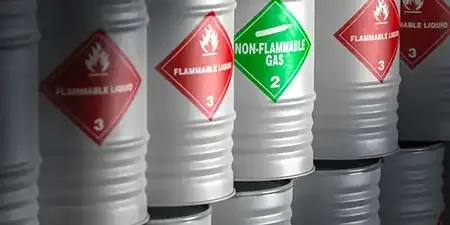
To help companies and e-commerce sellers create effective warning labels, Label Resizer offers a free online tool that generates custom warning labels in various sizes and formats. This tool eliminates the need for manual design and saves time and resources for organizations. With Label Resizer, creating professional and effective warning labels has never been easier. By taking advantage of this tool, organizations can ensure that their products and activities are properly labeled and that individuals are well informed of any potential dangers.
In short, warning labels play a crucial role in promoting safety and Label Resizer provides a free, easy-to-use tool for creating effective warning labels. Whether you are a small business or a large corporation, taking advantage of Label Resizer can help ensure the safety of your products and the individuals who use them.